Stories from the Tents
Every patient who walks into the clinic comes carrying more than a medical complaint. Many carry the weight of suffering too deep for words—stories that span generations of trauma, abandonment, and survival. Over time, and with gentle listening, some of these stories surface.
The Mother Who Waits
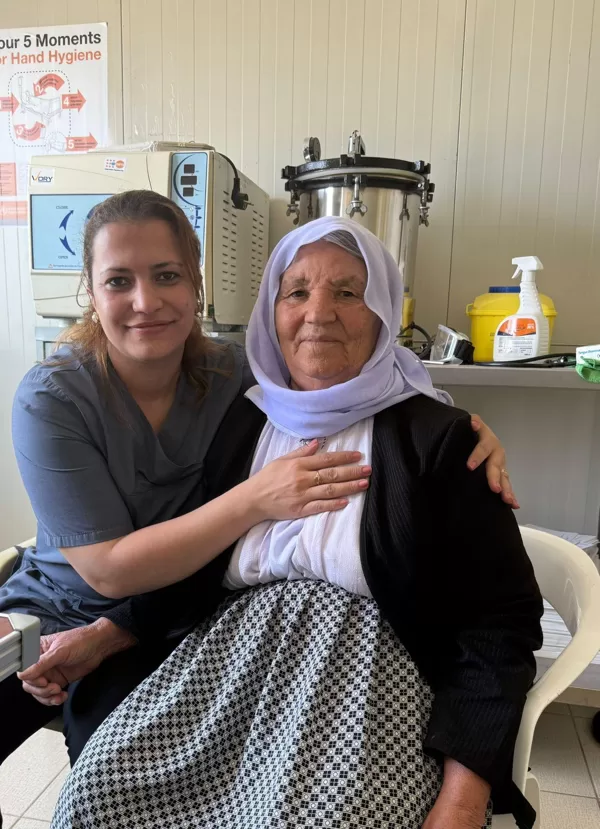
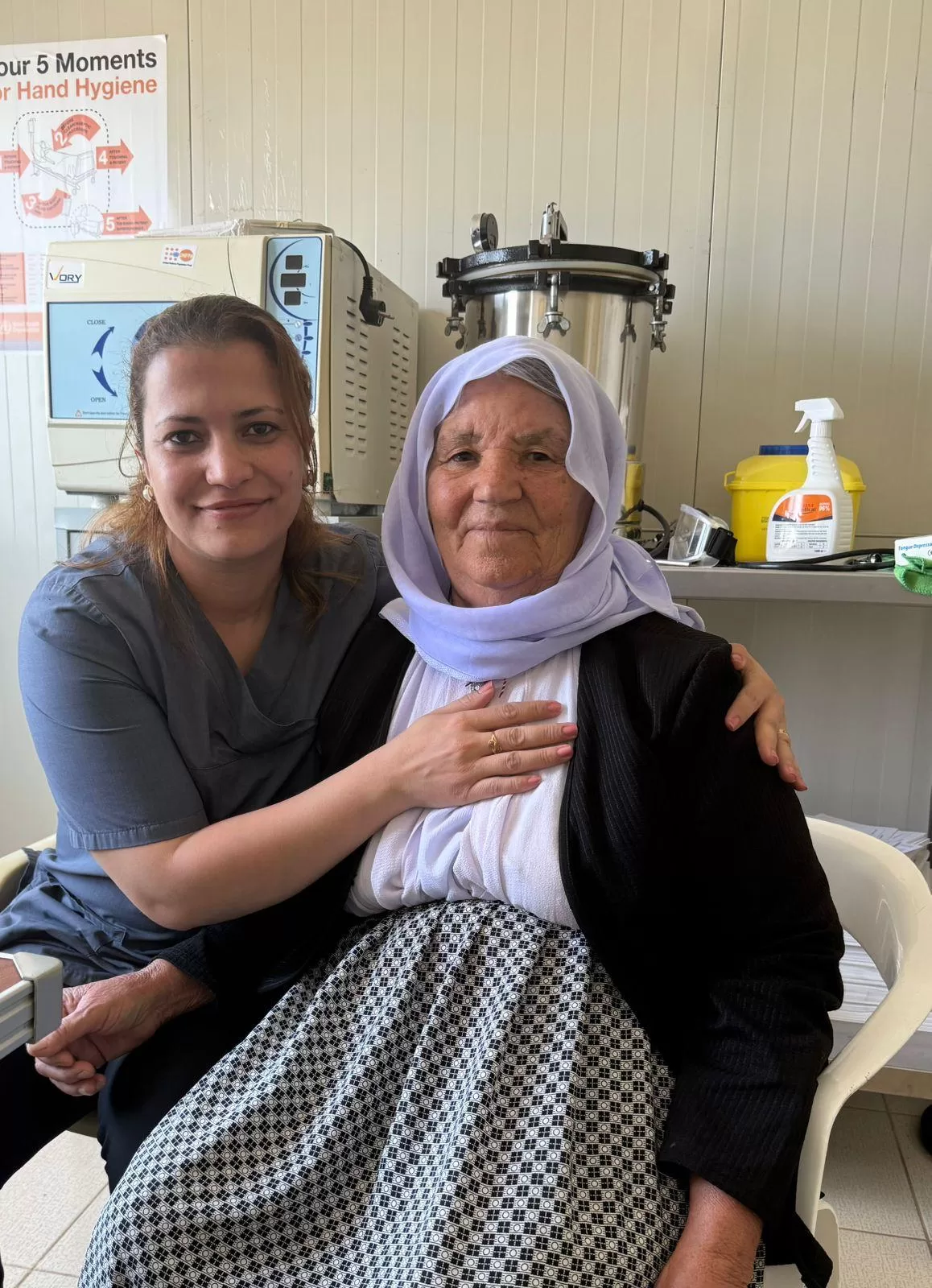
She comes every week. Quiet. Frail. Repeating the same complaint—pain in her back, fatigue, poor sleep. After several visits, Dr. Fayrouz sat beside her and asked softly, “Is there something else behind the pain?” The woman broke into sobs and whispered in the Shingali dialect—a regional form of Kurdish spoken by Yazidis from Sinjar: “My three sons were taken by Daesh (ISIS). That was 11 years ago. I don’t know if they are alive or dead.” There was no resolution. No closure. Just a mother returning week after week - because the clinic is the only place where someone will sit beside her and listen.
Aliya’s Second Chance
Aliya was young, but her spirit was worn down. Diagnosed with breast cancer, abandoned by her parents, and living in a tent with her ailing grandmother, she was both caregiver and patient - child and adult - all at once. Her world had shrunk to survival and silence. Dr. Fayrouz began to meet with her regularly - not just for medical care, but to give her space to be heard. One day, Aliya looked up and smiled: “I don’t know how, but I want to live again,” she said. Today, she comes not as a patient—but as a friend, having rediscovered her will to live in the heart of a clinic among the tents.
The Girl Who Couldn’t Forget
She had no wounds. But her body trembled, and her eyes darted with fear. A survivor of ISIS occupation, she was haunted by what she had seen - and what had been done to her. “People around me say I shouldn’t complain,” she whispered. “But here… I found someone who listens.” For her, being heard was the first step toward healing.
A Call from the Mountains
One evening, Dr. Fayrouz received a desperate voice message from a young girl: “Doctor, please... my grandmother is very sick. We’re up in the mountains. No one else can help.” The next morning, she made the difficult journey to the remote village. There she found a frail, elderly woman in urgent need of care. With love and determination, Dr. Fayrouz provided treatment, comfort, and supplies. It was more than medicine. It was presence. It was faith made visible.
More Than a Clinic: A Ministry of Presence
This is not a facility of luxury. It is a tented refuge amid loss. But within it, the love of Christ is alive. Through every patient, every tear, and every prayer, Dr. Fayrouz is living out HOME’s mission: to heal bodies and souls, to reach the unreached, and to be Christ’s presence in the darkest corners of the Middle East.
“When I asked why God had sent me to Duhok, I never imagined He would answer through the eyes of the hurting. But now I know—this is my purpose. This is the ministry He prepared me for.”
2025 Ministry Update
Healing, Hope, and Deeper Impact
Since first arriving in the Kurdistan Region of Iraq, Dr. Fayrouz’s ministry through the family clinic has continued to grow - touching more lives, building deeper trust, and opening new doors for both healing and Gospel witness. Her latest report, reflecting on the past year of service, offers a powerful glimpse into how Christ’s love is being lived out each day - among Syrian refugees, and families still reeling from the trauma of war and displacement.
Ministry Impact in 2025
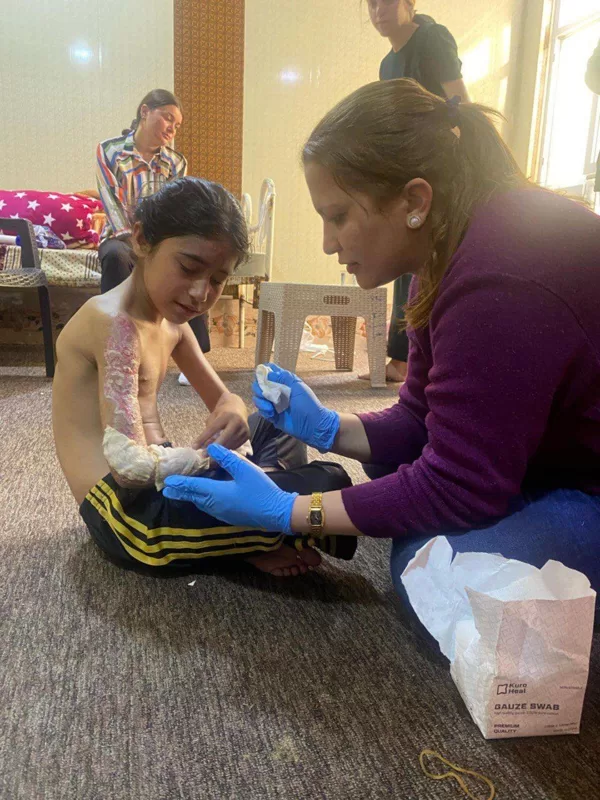
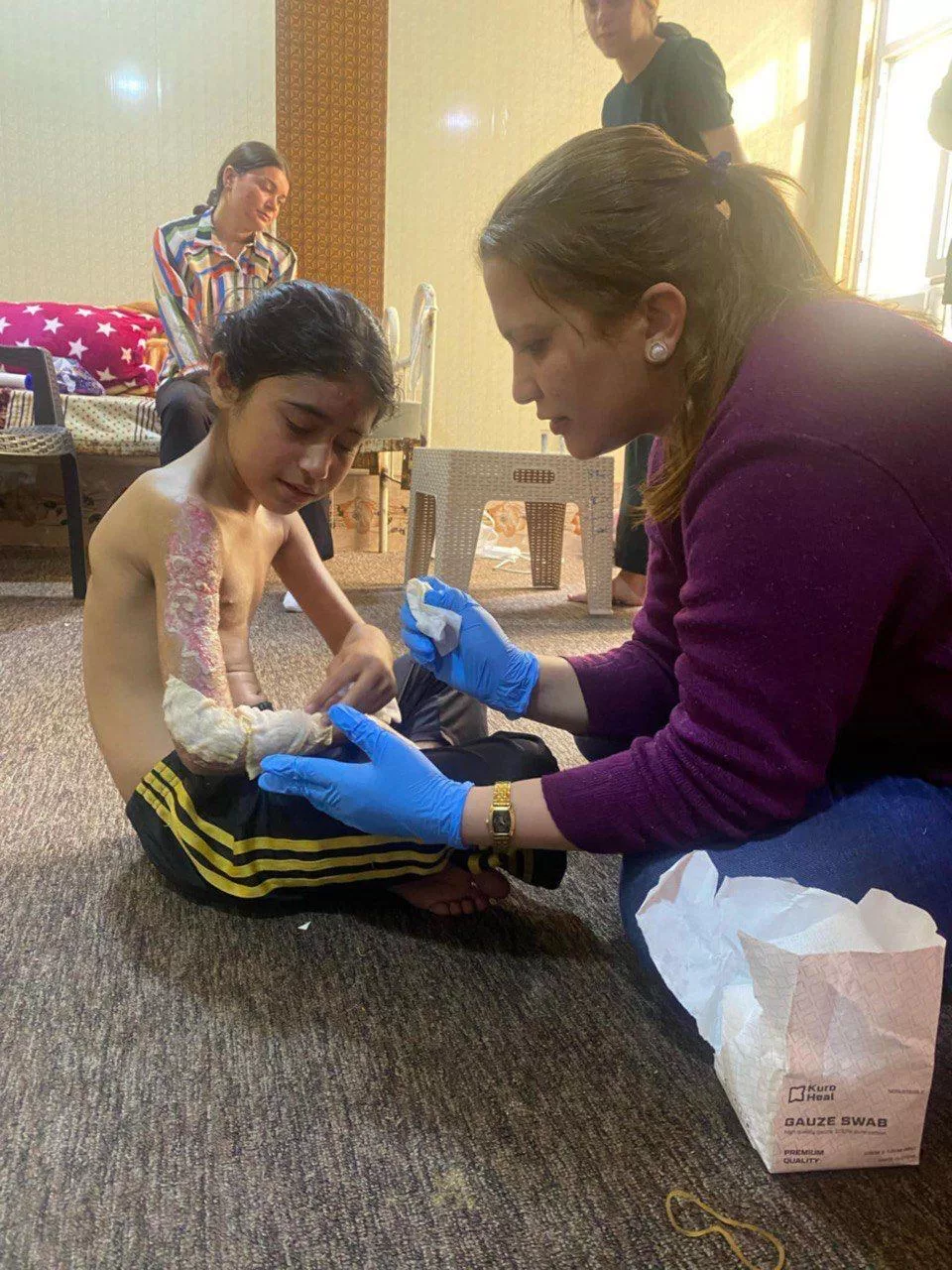
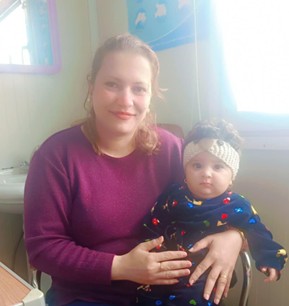
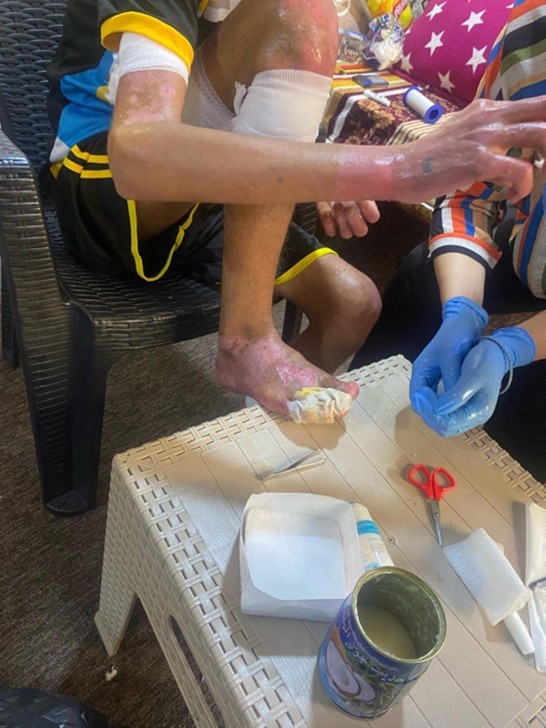
- Providing basic medical care to over 50 patients each day, with compassion and attentiveness, despite limited resources
- Offering ongoing spiritual and emotional support, especially for young women and girls who have survived captivity under ISIS
- Distributing food baskets and critical medications to the most vulnerable families, creating space for Gospel-centered conversations and acts of love
 |  |  |
Despite the progress, the needs remain immense:
- Severe shortage of essential medications, especially for chronic illnesses and pediatric care
- Lack of diagnostic equipment and lab testing capabilities, which limits the ability to accurately treat complex cases